Image
ACE EU-Machineverordening

EU Machinery Regulation

New EU Machinery Regulation: What You Need to Know

As of 20 January 2027, the new EU Machinery Regulation will come into force. This regulation replaces the current Machinery Directive from 2006 and introduces significant changes that will affect manufacturers and operators of machinery within the European Union. In this article, we outline the key aspects of the new regulation and what it means for your business.

Background and Objectives

The new EU Machinery Regulation is designed to harmonise essential health and safety requirements for machinery, promote the free movement of machinery within the EU, and ensure a high level of safety for workers and users.

It replaces Directive 2006/42/EC and introduces improved and simplified requirements that align more closely with current market needs and technological developments.

Key Changes

1. Increased responsibility for manufacturers

The new regulation places greater responsibility on manufacturers to ensure that their machines comply with the applicable requirements.

This includes conducting comprehensive risk assessments and implementing appropriate safety measures during the design and production process. Manufacturers must also maintain detailed technical documentation and make it available when required.

2. Conformity assessment procedures

The regulation introduces enhanced conformity assessment procedures to ensure that machines meet essential health and safety requirements.
This includes both internal checks carried out by the manufacturer and external assessments by notified bodies. The procedures are designed to be more transparent and efficient, enabling manufacturers to demonstrate compliance more quickly and easily.

3. Harmonisation of safety requirements

One of the key objectives of the new regulation is to harmonise safety requirements for machinery across all Member States.
This means that manufacturers must comply with uniform safety standards, regardless of the EU country in which the machine is produced or used. This not only improves safety but also reduces trade barriers between Member States.

machines en installaties voor geavanceerde productieprocessen

Reliable, safe and high-performing machines

betrouwbare, veilige en goed functionerende machines

Machines and installations for advanced production processes

Impact on the industry

The new EU Machinery Regulation will have a significant impact on manufacturers, importers, and operators of machinery.
Companies will need to review their internal processes and procedures to ensure compliance with the new requirements. This may involve additional investments in modifications to existing machines, documentation, and training.

Preparing for the new regulation

To ensure your company is ready for the new regulation, it is important to take action in a timely manner. Possible steps include:

  • Conduct a risk assessment: Analyse your current machines and production processes to identify and mitigate potential risks.
  • Update technical documentation: Ensure all technical documentation is up to date and compliant with the new requirements.
  • Train personnel: Educate employees on the new regulation and related safety measures.
  • Collaborate with experts: Consider working with external experts or notified bodies to ensure compliance with the new conformity assessment procedures.

Conclusion

Whether it concerns new machines or existing production lines, the new EU Machinery Regulation introduces important changes that will impact the entire machinery industry.
By taking timely action and adapting your processes, you can ensure compliance and continue to benefit from the advantages of the EU internal market.

Which projects would you like to discuss?

Selected references

Machine building concept design

Machine manufacturers increasingly use design and ergonomics as strategic tools for customer engagement. They differentiate themselves in the market through designs that reflect their own identity or align fully with the identity of their customers.
A strong ergonomic design ensures that operators are comfortable working with the machines.
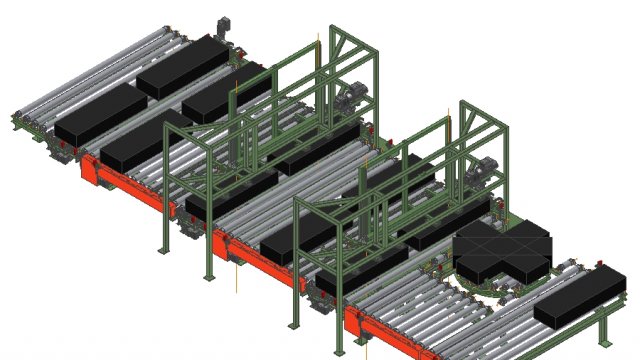
Destacker – Pittsburgh Corning

Pittsburgh Corning produces foam glass for high-performance thermal insulation systems, including façade insulation, interior insulation, insulation for flat and metal roofs, and floor insulation.
ACE Industrial Automation designed and built a so-called destacker for Pittsburgh Corning.